Suzanne Holt

Norwex Executive Vice President Sales Leader
Independent Sales Consultant
About Me
Click to shop at Suzanne Holt's Norwex Shop

Norwex Monthly Specials

Healthy Eating

Benefits of Gardening and Fresh Produce

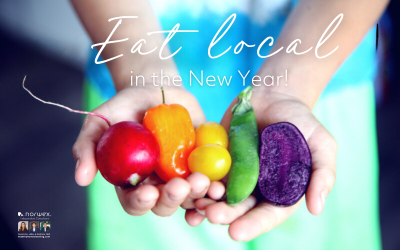
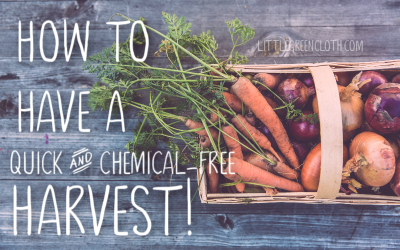
Fresh ProduceNothing tastes better than fruits or vegetables or picked fresh from your own garden!! A strawberry or pea pod you pick right from the garden will taste sweeter partly because you know you grew it yourself. In addition, when you grow your own food you have control over what, if any, pesticides or fertilizers are used. Babies and toddlers are especially vulnerable to the possible effects of pesticides as they are less able to detoxify toxic chemical due to their smaller size.

Another reason to grow your own fruits and vegetables is that they will be much fresher, and fresher produce will generally contain more nutrients. According to Lisa Ramirez, Times Herald-Record, “Much of the produce sold at large supermarket chains is grown hundreds of miles away….places such as California, Florida and Mexico. That means days — perhaps even more than a week — have passed since it was picked, packaged and trucked to the store, where it can sit on the shelves even longer. Often, too, produce is picked before it’s ready, preventing it from ever reaching its nutritional potential.”

Continue reading

Modifying a Family Cheesecake Recipe to be Gluten Free and Dairy Free

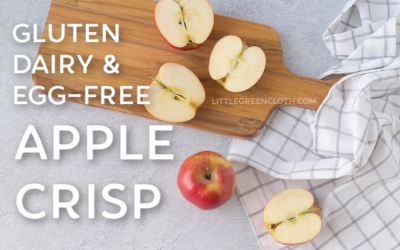
Gluten Free Dairy Free Cheesecake Slice

Yesterday was fun; as in one of those days when you laugh at yourself over and over as you expirament with something.

My husband has been gluten free for several years now, and dairy free as well.  His mom was making their family cheesecake recipe that was passed down from my husband’s Irish great-grandmother, and I wondered if it would be possible to modify it to be gluten free and dairy free.  With that said; baking has never been a strong suit of mine.

Here’s the original recipe:

  • Crust:
    Combine the following ingredients and form into a graham cracker crust in a pie pan:
    16 graham crackers
    1 stick butter
    2 Tablespoons sugar
    Bake at 350 degrees for 15 minutes

Filling:
Beat 2 eggs
Add 1/2 cup sugar
Add 1 teaspoon vanilla and 12 oz cream cheese
Beat well.  Put in a 9 inch crust and bake for 30 minutes in a 300 degree oven.
Cool for a few minutes and then put on topping.

Topping:
1/2 pint sour cream
1/2 teaspoon vanilla
2 Tablespoons sugar

This recipe posed a few challenges since most graham crackers contain gluten, and sour cream and cream cheese most definitely contain dairy.  Continue reading

Healthy Living and a Healthy Lifestyle

Healthy-Living-TipsMaintaining a good, healthy lifestyle is the key to having a very long and productive life. One of the best secrets for health is to maintain good eating habits. Never skip meals as it is very hard on the body. Skipping meals affects your blood sugar, can lead to inadequate nutrition and can drastically alter the way that your body digests food. Try to plan your meals, and thus calorie intake, to about six small meals a day instead of three large meals. Also, make sure each meal is well-balanced with good food choices and not just junk food binges. To control your portion sizes and calorie intake it is best to eat foods low in density, such as fruits and vegetables, which help you feel full longer and provide a great source of fiber. Another important habit is drinking lots of water which, in itself, has numerous benefits including helping to flush wastes and raising your metabolism.

Another healthy habit is getting enough sleep. Getting seven to nine hours of interrupted sleep a day can actually help prevent overeating. It is known that lack of sleep can encourage poor food choices, like extra coffee and sugary snacks, because of lack of energy and feeling lethargic. Couple that with lack of exercise and this sets the stage for obesity and further sleep loss. Leptin is the hormone that tells you to stop eating, and when you are sleep deprived, you have less leptin.

Continue reading

Getting Enough Healthy Fats and Oils, Is it Really That Important?

Growing up in the phase of low fat, where the fad was that we should only eat items with “low fat” or “nonfat” on the label, it might be confusing to understand why people are talking about the benefit of full fat and healthy oils. The odd thing is that generation has also seen a huge increase in obesity.

What happens when an item is labeled “low fat” or “nonfat”? Something has to replace the fat in the processed food and that item is typically sugar. This leads to the body’s increased feeling of hunger and the consequent storage of fat. If you are eating a diet with healthy fats, you feel full faster as the product is less processed, or not at all, and you’re more able to control what you eat. Obviously this means you will make healthier food choices.

The concern is over the saturated fats in meats and cheese. As a whole our society gets too many Omega 6 fatty acids (again, think meat and cheese), and not enough high quality fats. The health promoting fats help your body maintain its blood sugar level. Blood sugar that is out of control may lead to illness and disease. So it’s simple, really. Eat high quality foods, in particular, the oils and fats we need. You’ll feel better and will weigh less.

Foods we need to avoid include:

  • Fried foods
  • shortening
  • partially hydrogenated oils
  • margarine
  • palm oils
  • lard
  • ease up on the hard cheese, baked goods and red meat.


Foods we want to choose more often include:

  • Nuts
  • seeds
  • tuna
  • salmon
  • nut butters
  • avocados


Oils to specifically implement into your diet include:

  • Sesame oil
  • olive oil
  • safflower oil

The fatty acids we need for optimal functioning of the cells in our bodies, such as EPA and DHA aren’t hard to come by when you eat the foods mentioned above. These foods fight inflammation and maintain healthy skin. Your nails and hair will grow faster and more smoothly. Your nervous system will function more optimally and your vision will also benefit.

How much of these foods and oils do we need every day?
For oils the average serving size is 1 tsp and 4-7 servings per day is sufficient. That looks like a handful of olives, a quarter of an avocado and putting mayonnaise on your sandwich for lunch. Using walnut oil in your baking is a good idea and lends a great taste, and sautéing foods in coconut and olive oil.

For nuts and seeds, again, think in terms of a small handful. For nut butters, whatever you smear on your bread or rice cake or scoop into a small dish for dipping will be sufficient. You’ll want up to two servings per day of nuts and seeds.

What’s all this talk about supplementation? Here’s the thing: we get too many Omega 6 fatty acids from our meat and dairy consumption and not enough Omega 3 fatty acids. Try as we might, our lives (mostly) aren’t conducive to eating the foods we need all the time, so we will require supplementation. To choose a fish oil means finding a cold, dark water fish oil that is certified and without contaminants.

How to Maintain Healthy Eating While Traveling

It’s the time of year when spring break and summer travel plans are being made. You might be flying to grandma’s house or to the beach for a week. Maybe you are planning a two week family road trip to the mountains this summer or a getaway to a north woods lodge.

Traveling upsets our schedules enough, especially when traveling with children. How does one maintain a healthy level of eating while traveling to and fro? Don’t road trips mean stopping at all the local dives and doesn’t flying mean eating whatever is served you on the plane?

Instead of packing the cooler full of the junk food on sale in bulk at the big box grocery store, think about how you want to feel while traveling and how you might feed yourself to get there. If you know you’ll be spending hours (or goodness knows, perhaps days) in the car, it’s important to keep your digestion in sync with a normal day. That might be tough to come by considering your body will not be moving-at all.

For road trips and travelling by car, stocking your cooler with premade sandwiches or mini homemade “lunchables” such as crackers, cheese, grapes, grape tomatoes and a little dip are easy to pull off when you purchase the lunch containers with all of the slots such as bento boxes or the ones made by large retailers for food storage. Single serve yogurt containers go over well, especially when kids have small lap desks to rest them on. Or make your own with yogurt and a spoonful of fruit jam or compote at the bottom in a small clear mason jar. It’s both a delight to the eye and to the belly when sprinkled with a small handful of granola, which could also be packed in a mason jar. Milk, juice or rice milk now comes in small juice box sized containers and everyone should have their own designated water bottle for the trip. Purchasing water by the gallon or having a large water cooler in the back will assure everyone has fresh water to drink (and it’s available for the cleanup that may need to happen along the way). Sliced veggies such as carrots, jicama and celery make for easy munching, as well as nitrate free deli meats.

Think about the activities you’re hoping to take on once you reach your destination. Are you up for adventure such as hiking and camping, or are you going to snooze on a beach and take a leisurely walk in the afternoons? What you eat will affect how you feel, and with liquor and soda being the only items stocked in that hotel refrigerator of yours, you’ll want to have exactly what you desire packed with you.

If you’re traveling with kids, specifically in a hotel, you may pack your favorite dry goods, such as gluten free crackers, rice cakes, cereals or protein powder to make your own quick shakes. If you’re flying and staying in a hotel, chances are you will have a rental car. As in the example above where you’ve driven your car, having mobility is a huge bonus. Find the nearest grocery store and stock up on what you need. Keeping yogurt and pre-sliced fruits and vegetables in your mini fridge is easy. You can even request an extra mini fridge, which hotels are great about, especially when traveling with children. Purchasing simple sandwich making materials is easy as well and doesn’t take up much room, considering the loaf of bread doesn’t need to stay cool. Purchase only goodies you’ll need for around two days at a time. Between munching in between meals or taking little picnics to the beach, you will dine out once or twice per day, so you’ll also save money on the third meal by taking it on the go or crashing in your room.

If you’re flying to a destination, renting a car and staying in a condo, you could grocery shop (with meals planned ahead of time for quick shopping and saving money ) for the entire stay in one fell swoop and visit the local market for fresh fruits and veggies as needed. This allows you the ultimate flexibility, then dining out becomes a treat that happens when you feel like it versus it being the only option for a full meal.

Mostly what eating healthy while traveling takes is a little more organization and planning. There are healthy alternatives to grabbing a quick fix, though it’s not at every intersection that you see a fresh smoothie joint or a gluten free bakery. If in a pinch, while putting gas in your car, grab a stick of cheese or a container of yogurt and a protein bar to buy you a bit of time. Considering you could grab a back of Cheetos and a package of Nerds with a soda, the first option is just as easy and will have you feeling better in the long run, making your travels more enjoyable.