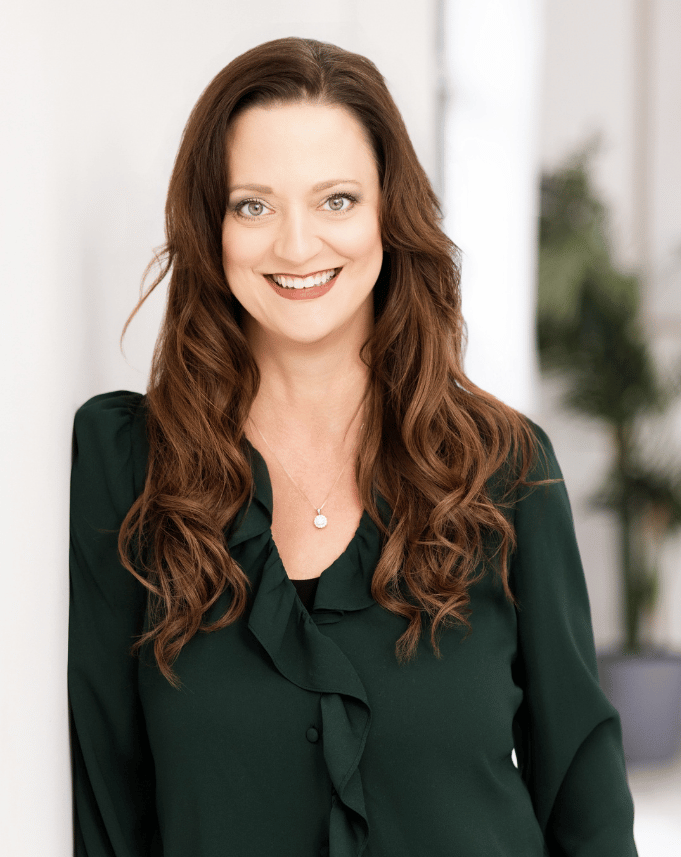
I did not grow up dreaming about owning a business.
I grew up working.
The deeper meaning of this story carries into how I teach work-life harmony, how I approach family business leadership, and why mentorship matters so much to me.
If you are reading this because you are considering the business side of Norwex, I recommend also reading Why Join Suzanne’s Team and Consultant Opportunity Explained.
Both of my parents owned businesses. My dad was a farmer and owned a photography studio. My mom built a Mary Kay business and continued working it for decades. When people ask me what my first job was, I honestly do not have a simple answer. On a farm, everyone works. That is just part of being in a family.
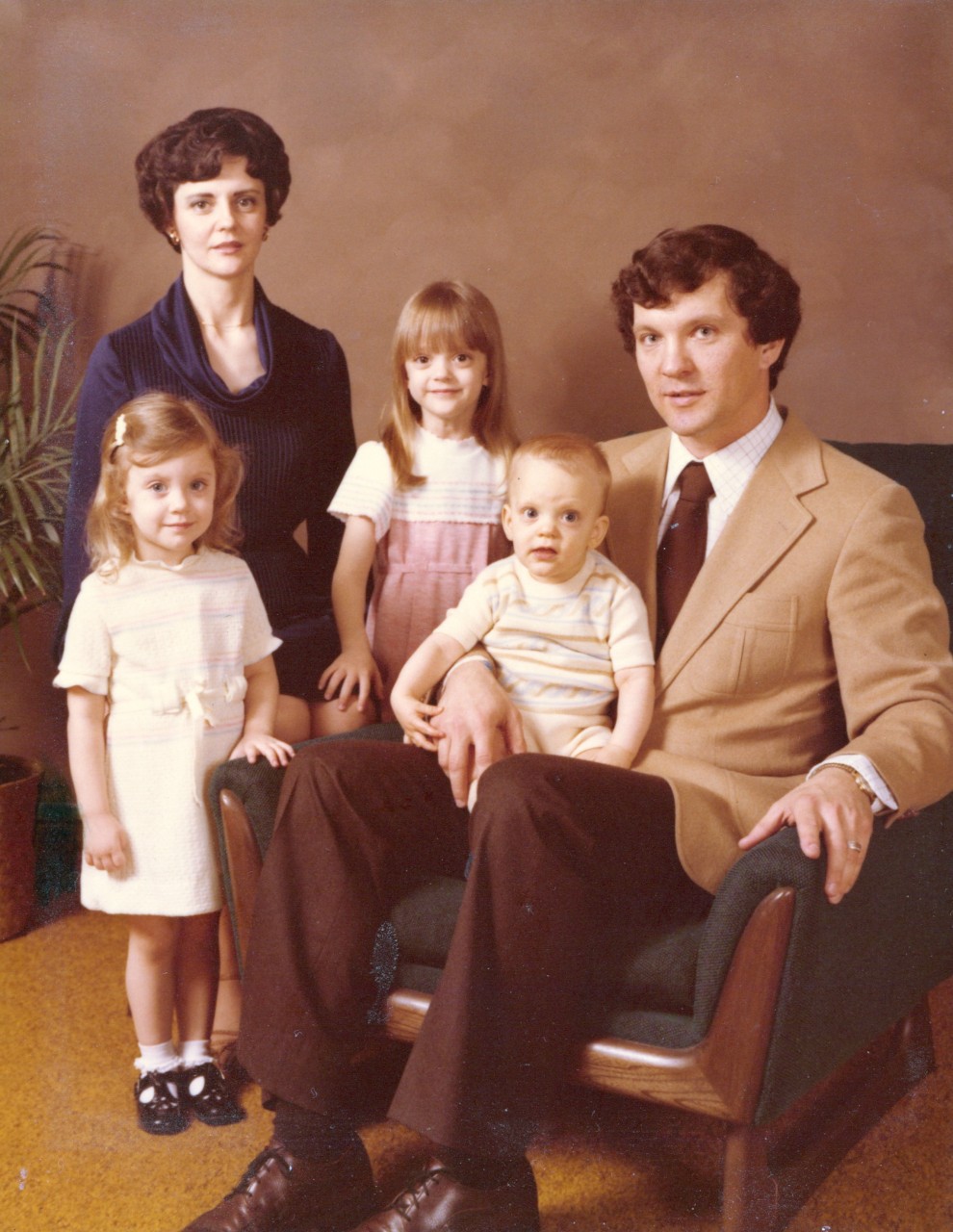
Work was not optional. It was not something you negotiated based on how you felt that day. It was part of life.
But work was not the highest value in our home.
Faith came first. Then family. Then work.
That order shaped me. It still shapes me.
I Built a Career I Was Proud Of
I did not start out assuming I would build a Norwex business or mentor a large team of consultants. I went to college, studied marketing and Biblical Studies, and went into financial planning. I became a Certified Financial Planner and earned additional professional designations. I worked hard to become “Suzanne Holt, CFP®, BFA®, CLTC®, APMA®.”
That identity mattered to me.
I worked with clients, helped develop financial plans, trained staff, coached advisors, supported operations, and built a career in a professional world that required trust, precision, communication, and long-term planning.
And then life shifted.
The Need That Opened the Door
When I first learned about Norwex, I was still working as a financial planner. My career mattered to me, but our family was also facing pressure. I experienced a significant income cut at work, and my husband Curt was going through health challenges that affected his work.
Then my mom gave me a travel EnviroCloth after attending a Norwex party.
I started reading about Norwex, and I became fascinated by the idea of cleaning with water and a cloth and reducing chemicals in the home. I was excited about the products, but I also had enough business sense to recognize that there was an opportunity in front of me.
So I told Curt I wanted to become a consultant.
He said no.
He reminded me that I already had a job. We had children. We had responsibilities. And he reminded me that cleaning was not exactly my favorite activity.
He had good points.
But I still felt like I needed to try. So I asked him for one year.
One year to work. One year to learn. One year to see whether this could become something meaningful for our family.
My Start Was Not Impressive
I want people to know this part of the story because it matters.
I did not have sales experience. I did not have home-party experience. I was terrified to speak in public. My first party had two people: my mother-in-law and my best friend. My mother-in-law would not host a party, so my best friend had to.
My second party was not much better. I was a brand-new consultant with a catalog, trying to answer detailed questions from people who knew more about what they wanted to ask than I knew how to answer.
It was not glamorous.
Then my mom hosted a party. She had used the products and had already been telling her friends about them. That party had strong sales and multiple bookings, and suddenly I had a real launch.
That beginning taught me something I still teach today: a slow or awkward start does not mean you are not capable.
The One-Year Challenge
When I met with my recruiter, I told her I needed to earn $3,000 a month, and I needed to do it part-time. I am sure she wondered what she had gotten herself into.
But I believed the opportunity was real, and I was willing to work.
I knew the quickest way to create the kind of income and impact I needed was not only through personal sales. It was through building a team. I understood early that leadership creates a ripple effect. When you help other people succeed, the mission spreads farther than it ever could through one person alone.
That became a defining part of how I think.
I do not want to build alone. I want to build with people.
My Family Became Part of the Story
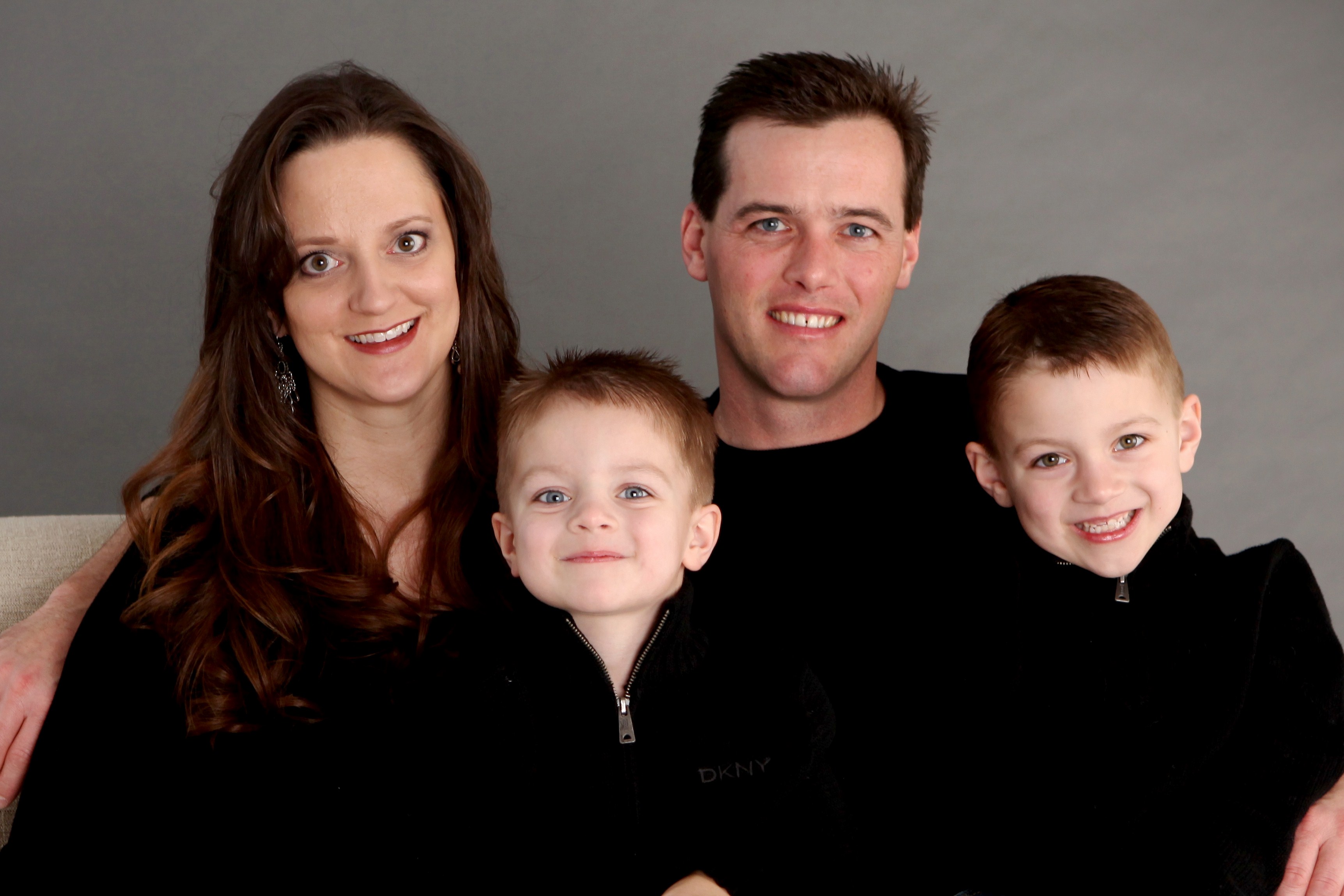
Norwex became a family business for us.
When my son Jacob was little, he would ask me how my party went when I drove him to school the next morning. His goal for me was usually $1,000 in sales or one new team member. At least he was not asking me to do both.
My boys helped at events. They helped unpack product. They helped label catalogs. They heard conversations. They watched me get told no. They watched me keep going. They saw that work could be meaningful and that a family could contribute together.
One of the moments that changed how I saw my own work was when Jake spoke at Norwex national conference. He talked about what it meant to grow up as a Norwex kid and be part of a family business. Watching him speak in front of thousands of people, with confidence and pride, changed something in me.
It reminded me that this business had not only changed my life. It had shaped my family.
That is why building a family business is not just a topic to me. It is personal.
Leaving a Professional Identity
One of the more complicated parts of my story is that Norwex eventually gave me a choice.
In 2008, I did not feel like I had many choices. I needed income. I needed to stay. I needed to make things work.
Years later, because of Norwex, I had the ability to leave a professional situation that had become unhealthy for me. That sounds simple, but emotionally it was not simple.
I had spent years building the identity of a financial planning professional. I had worked hard for my credentials. I had worked hard to be taken seriously in that world. It was not easy to shift from seeing myself as “Suzanne Holt, CFP®” to fully owning the importance of the work I was doing through Norwex.
That is one reason I understand people who are quietly asking whether a home-based business can be real work.
Yes, it can.
But sometimes your own identity needs time to catch up with what you are building.
Work-Life Harmony, Not Perfect Balance
I do not teach perfect balance because I do not think perfect balance exists.
I teach harmony.
Harmony means knowing your values, putting the most important things on your calendar first, communicating with your family, and understanding that different seasons require different rhythms.
When I started Norwex, I had young sons at home, I was working about 32 hours a week as a financial planner, and I needed to make good use of my time. I had to learn to work while I was working. I had to focus on income-producing activity. I had to build systems. I had to ask for help.
And I had to remember that my family was not an obstacle to the business. They were part of the reason for it.
What Success Means to Me Now
Success is not only a rank, a title, a paycheck, or a recognition.
Success is a feeling of contentment. It is knowing what the work has done for my family and what it has done for the people I have mentored over the years.
Impact is my why. I need to know that what I am doing makes a difference in the lives of other people.
That is why I mentor. That is why I train. That is why I continue to have conversations with people who are wondering whether they could build something meaningful too.
What I Want You to Know
If you are reading this and wondering whether something like this could fit your life, I want you to know that you do not have to be defined by anyone else’s expectations for you.
You can have small goals or massive goals, as long as they are true to you. You can want product savings. You can want a little extra income. You can want a large business. You can want flexibility. You can want to build something with your family. You can simply be curious.
The first step does not have to be a commitment.
It can be a conversation.
Results vary in any business. I share from my personal experience, but no specific income, outcome, promotion, or business result is guaranteed.