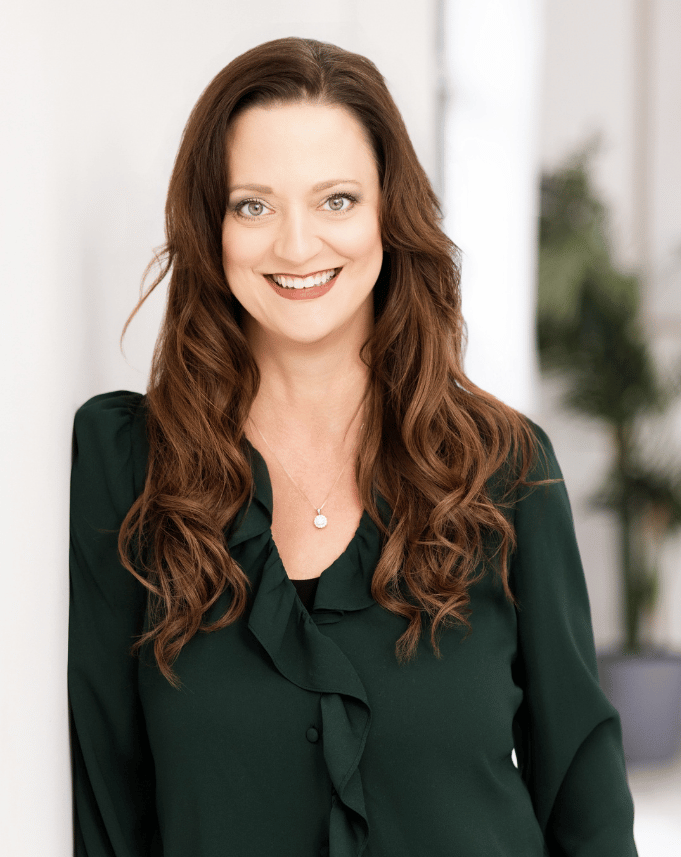
My leadership philosophy is built around impact.
Not title first.
Not recognition first.
Not personal achievement first.
Impact.
That word has shaped the way I think about business, mentoring, team building, family, and leadership for many years. If the work I am doing is not making a meaningful difference in the lives of other people, I have to ask myself why I am doing it.
Leadership, to me, is not simply about building something larger.
Leadership is about helping people grow in ways that affect their confidence, their families, their choices, their work ethic, their future, and the people they will eventually influence.
That is why my leadership philosophy connects so closely with Mentorship With Suzanne, Leadership Growth, and Building a Legacy Business Through Leadership. Those are not separate ideas to me. They are different parts of the same calling.
Leadership Begins With Responsibility
I grew up on a farm, and that shaped me more than I probably realized when I was younger.
On a farm, work is not optional.
Animals still need to be cared for when you are tired.
Chores still need to be done when the weather is bad.
Everyone contributes because the work matters.
That upbringing is one reason I have what my kids call a farm kid work ethic. I get up and do my job whether I feel like it or not.
That does not mean I ignore rest, family, faith, or healthy boundaries. Those things matter deeply to me. But it does mean I believe leadership begins with responsibility.
Leadership is not mainly about being seen.
Leadership is about doing the work, taking responsibility, serving others, and helping people move forward.
That same family-business background also shapes how I think about building a family business. Work can teach responsibility, but only when it is grounded in the right values.
Impact Is My Why
Impact is my why.
That matters because it changes how leadership is measured.
If leadership is only about personal success, the focus stays narrow. The questions become:
- What did I earn?
- What title did I reach?
- What recognition did I receive?
- What did I accomplish?
Those things may have a place, but they cannot be the center.
When leadership is about impact, the questions become different:
- Who grew because I helped them?
- Who became more confident?
- Who learned to lead?
- Who became more capable?
- Whose family was affected?
- What ripple effect did the work create?
Those are the questions that matter most to me.
I want my work to reach beyond me. I want consultants, leaders, customers, families, and future leaders to be better because of the work we do together.
Leadership Is Multiplication
One of the concepts I am known for is that 5% can be greater than 35%.
At first, that sounds like strange math.
But it is really a leadership principle.
If I only focus on what I can do myself, my impact is limited by my own time, energy, calendar, and capacity. But if I help someone else get started, grow, and eventually lead, the impact begins to multiply.
That is what leadership does.
Leadership multiplies.
It multiplies confidence.
It multiplies opportunity.
It multiplies service.
It multiplies growth.
It multiplies impact.
This is why I care so deeply about team building and leadership development. It is not just about adding people to an organization. It is about helping people become capable of meaningful work and then helping them develop others too.
That is also why I think every consultant who wants long-term growth should understand the principles in Business Systems and Consistency. Multiplication becomes much stronger when people have systems they can repeat.
Leadership Is Not Doing Everything Yourself
A lot of hard-working people struggle with this.
They are willing to work.
They are capable.
They know how to get things done.
So they keep doing everything themselves.
That may work for a while, but it is not leadership.
Leadership requires helping others grow into responsibility.
It requires teaching, mentoring, encouraging, correcting, releasing, and trusting people with real opportunities.
It is often faster to do something yourself.
It is usually more meaningful to help someone else learn to do it.
That is true in business. It is true in family. It is true in mentorship.
If everything depends on me, I have not built leadership. I have built dependence.
I Want to Develop Capable People, Not Dependent People
This is one of the most important parts of my philosophy.
I do not want people to need me for every answer.
I want people to become capable.
There is a difference between helping and creating dependence.
If I answer every question instantly, solve every problem personally, and make every decision for someone, I may feel useful in the moment. But I am not helping that person grow as a leader.
My goal is to help people learn how to think, use tools, find answers, solve problems, take ownership, and develop confidence.
That is one reason I care so much about mentorship. Mentorship is not doing the work for someone. Mentorship is helping someone become strong enough to do the work with wisdom, confidence, and integrity.
Coachability Is Essential
I value coachability because growth requires humility.
A coachable person is willing to learn.
A coachable person listens.
A coachable person asks questions.
A coachable person tries something new.
A coachable person can receive feedback without making it personal.
Coachability does not mean weakness. It means someone is willing to grow.
I have seen very talented people struggle because they wanted the business to be easy or because they were not willing to be coached.
I have also seen ordinary people become extraordinary leaders because they were consistent, humble, resilient, and willing to learn.
That is one reason I do not look first for the most polished person in the room. I look for work ethic, integrity, kindness, coachability, and someone who has something they want badly enough to grow.
Consistency Builds Credibility
My secret has never been flashiness.
My secret has been consistency.
I do not do everything right. I do not do everything everyone else does. But the things I believe matter, I try to do consistently.
Leadership credibility is built through repeated action.
People trust leaders who follow through.
People trust leaders who show up.
People trust leaders who stay steady through challenges.
People trust leaders who keep returning to the work that matters.
That does not mean leaders never struggle. I have had hard days, discouraging events, setbacks, and seasons that were not easy.
But I believe in resetting and continuing.
When I had a difficult party or demonstration, I would allow myself to feel frustrated only until I drove into the driveway at home. Then it was time to reset, because the next opportunity deserved my best.
That kind of consistency is one reason I also teach the ideas on Work-Life Harmony for Family Entrepreneurs. Consistency matters, but it has to be built in a way that does not destroy your family or your wellbeing.
Leadership Requires Honest Expectations
I do not teach that business growth is effortless.
I do not teach that everyone gets the same result.
I do not teach that joining a business automatically creates success.
That would not be honest.
Business requires action.
Leadership requires patience.
Rejection is part of the process.
Systems matter.
Follow-up matters.
Communication matters.
Consistency matters.
Mindset matters.
Honest expectations create healthier leadership because they protect people from disappointment built on unrealistic promises.
I would rather someone understand the work before they begin than join because they were excited by hype.
If you are evaluating the Norwex opportunity, Consultant Opportunity Explained gives a broader overview of what the business is and what someone should consider before starting.
Rejection Is Not the End of the Story
One of the biggest growth areas for new consultants and leaders is learning how to handle no.
No is not personal.
No is not failure.
No is not the end of your business.
No is part of finding the right yes.
That is why I sometimes teach a 100 No’s challenge. The point is not to celebrate rejection for its own sake. The point is to help people take action and realize that no does not have to stop them.
When you stop fearing no, you become much more willing to ask.
And asking matters.
You have to ask people to host.
You have to ask people to try products.
You have to ask people if they have considered the opportunity.
You have to ask leaders what they want and where they want to grow.
Leadership requires courage, and courage grows through use.
Leadership Should Make People Stronger
Good leadership should strengthen people.
That means helping people grow in confidence, not just activity.
It means helping them understand why they are doing the work, not just what tasks to complete.
It means helping them build skills, habits, and resilience.
It means teaching people how to think like business owners.
It means developing leaders who can develop other leaders.
When leadership is healthy, people do not become smaller around the leader. They become stronger.
That is the kind of leadership I want to practice.
Leadership Is Deeply Connected to Family
For me, leadership has never been separate from family.
My business shaped my family, and my family shaped my business.
My boys grew up around business conversations, events, products, customers, leaders, goals, and challenges. They saw me work hard. They saw me lead. They saw me keep going. They saw me step away from unhealthy work and build something that gave me more ability to be present with them.
That is why the family-business content on this site matters so much to me. Pages like Family Business Leadership, Raising Entrepreneurial Kids, and Build a Family Business are not side topics. They are part of how I understand leadership.
Success is not only what you build.
It is who your family becomes while you are building it.
Leadership Should Be Sustainable
If leadership looks miserable, people will not want it.
For a long time, I made leadership look harder than it needed to be because I was too available and tried to carry too much.
That taught me an important lesson.
Leaders need boundaries.
Leaders need systems.
Leaders need family time.
Leaders need to shut the door at the end of the day and know they have done enough.
There are no microfiber emergencies.
That simple phrase reminds me that very few things in this business require constant access to a leader at all hours.
Healthy boundaries do not mean a leader does not care. Healthy boundaries allow a leader to continue caring for the long term.
Leadership Is Service, Not Status
Titles can be useful because they mark growth, responsibility, and achievement.
But a title is not the same as leadership.
Leadership is service.
Leadership is responsibility.
Leadership is helping someone else move forward.
Leadership is showing up when it would be easier not to.
Leadership is telling the truth kindly.
Leadership is developing people even when it takes longer than doing the work yourself.
Leadership is focusing on impact rather than ego.
If the goal is only to be recognized, leadership becomes fragile.
If the goal is to serve, leadership becomes much stronger.
Leadership Requires Personal Activity
I believe leaders should stay connected to the work they are asking others to do.
That is one reason I have continued to value personal business, customer conversations, parties, events, and recruiting conversations even after years in leadership.
Personal activity keeps leaders grounded.
It helps leaders stay current.
It gives leaders fresh stories and real experience.
It also models the behavior that helps others grow.
A leader who stops doing the basics can unintentionally teach the team that the basics no longer matter.
They do.
Leadership Is About the Ripple Effect
When one customer changes what she uses in her home, that matters.
When one host introduces products to her friends, that matters.
When one consultant gains confidence, that matters.
When one leader develops other leaders, the impact grows.
That ripple effect is one of the reasons I love this work.
It is never only about one order, one event, one recruit, or one promotion.
It is about what can happen when people keep growing and helping others grow.
That is the heart of legacy business.
Frequently Asked Questions About My Leadership Philosophy
What is Suzanne Holt’s leadership philosophy?
My leadership philosophy is built around impact, multiplication, responsibility, coachability, consistency, service, and helping people become capable leaders.
What does “impact is my why” mean?
It means I want my work to make a meaningful difference in the lives of other people. I measure leadership by the ripple effect it creates, not only by personal achievement.
Why does Suzanne teach that 5% is greater than 35%?
That concept is about multiplication. Individual effort matters, but helping others grow can create a much larger long-term impact than doing everything alone.
Why is coachability important in leadership?
Coachability matters because growth requires humility. A coachable person is willing to learn, adjust, ask questions, and take responsibility.
Why does consistency matter so much?
Consistency builds credibility. Leaders are trusted when they show up, follow through, and keep doing the work that matters even when motivation is low.
What does Suzanne mean by developing capable people?
I want people to learn how to think, solve problems, use tools, take ownership, and grow in confidence rather than depending on me for every answer.
How does leadership connect to family business?
Family business can teach responsibility, communication, confidence, work ethic, and service. Leadership is not only about business growth – it is also about who people become while building.
Does Suzanne guarantee leadership or business results?
No. Results vary based on individual effort, consistency, time, market, skill, goals, and many other factors. I share from personal experience, but no specific outcome is guaranteed.
My Final Thought on Leadership
Leadership is not about becoming important.
Leadership is about helping other people understand that they matter, that they are capable, and that their work can make an impact.
It is about serving people, developing people, and multiplying what is good.
That is the kind of leadership I want to practice.
That is the kind of leadership I want to teach.
And that is the kind of leadership I hope continues long after the work I personally do.
If this leadership philosophy resonates with you, I would be glad to have a conversation.
Results vary in any business. I share from personal experience, but no specific income, rank, promotion, or business outcome is guaranteed.